



You spot the call for entries on a gallery noticeboard, or in a newsletter you almost deleted. The deadline is six weeks away, which feels generous until the week itself arrives and you are hunting for a printer that still stocks the right size of label. Open exhibitions reward preparation as much as they reward the work on the wall. The selector meets your piece as a JPEG on a laptop screen long before they meet it in the flesh, and the invigilator meets your label before they meet your name in the catalogue. Get the technical side right and the whole process turns calm. Get it wrong and a strong piece of work can fall at the first fence.
Read the call before you make anything
Every open exhibition is a small rulebook, and the rules differ more than you would expect. One show wants recent work made in the last two years; another wants a specific theme; a third excludes photography and digital print entirely. Before you commit a single sheet of paper, print the terms and read them with a pen in your hand.
Mark the dates in your diary first, because the deadline is rarely the only one that matters. There is usually an entry deadline, a notification date, a hand-in window, a private view, and a collection date. Miss the collection date and you may be charged storage, or find your work left in a corridor.
- Eligibility: who can enter, where they must live, whether students or professionals are included or excluded.
- Media: what is accepted, and what is quietly not (often anything requiring power, anything perishable, anything over a set weight).
- Limits: how many works per artist, maximum dimensions including the frame, and any weight restriction.
- Money: entry fee per work, hanging fee if selected, commission on sales, and whether unsold work is returned by courier at your cost.
- Presentation: framing requirements, hanging hardware, and whether the gallery insists on specific labels.
Photograph the work to the spec they ask for
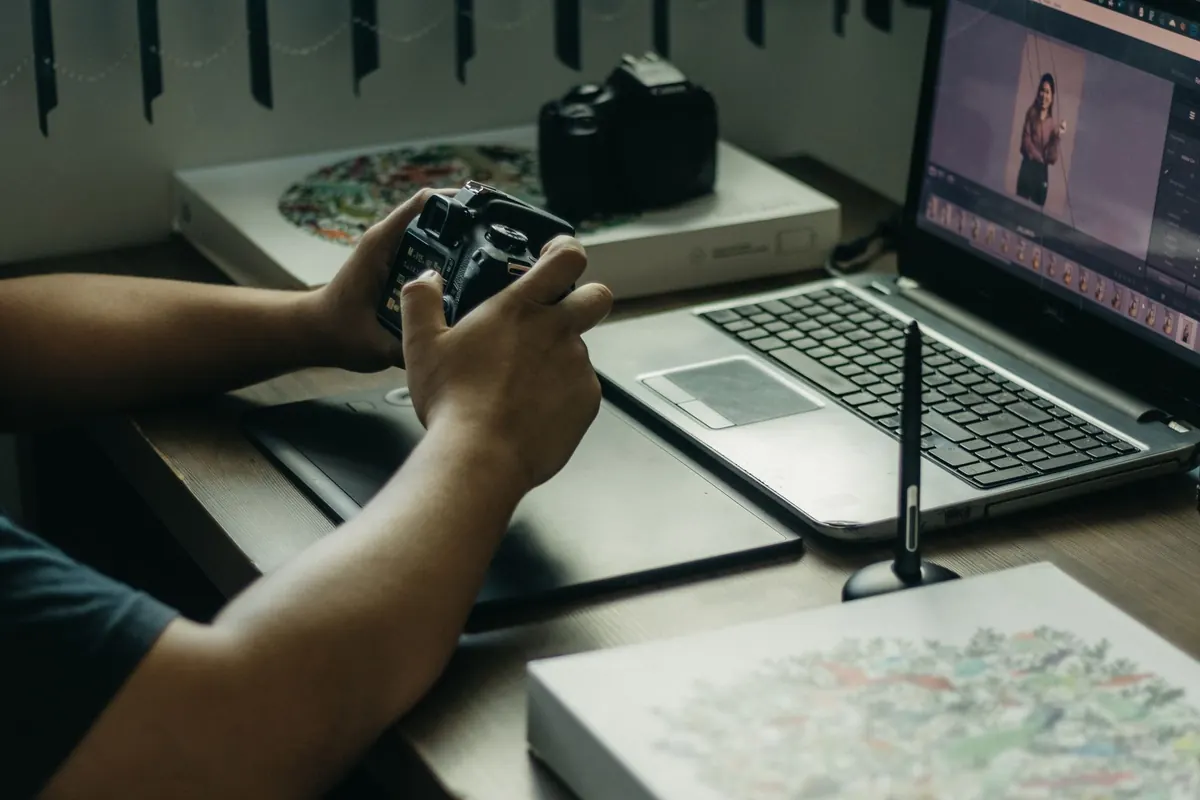
Most UK galleries now select from digital images, and most ask for something along these lines: JPEG files, sRGB colour, roughly 1,500 to 2,000 pixels on the longest edge, under about 5MB each, on a plain neutral background. Follow the stated numbers exactly. A selector scrolling through forty images does not want to open a 40MB TIFF, and a file that is too small will look soft when projected.
Shoot straight on, not at an angle. Daylight from a north-facing window is more honest than a flash. Take the piece outside on an overcast day if that is what it takes to avoid a yellow cast from a household bulb. Watch for two things amateurs lose marks for: reflections in glass, and your own shadow across a corner of the canvas. Show the whole work with a small margin of background, not a crop that chops off an edge.
Name your files as instructed. If the call asks for Surname_Title_Medium_Size.jpg, that is exactly what it wants, not IMG_4471.jpg. Check whether signatures should be visible in the image; some shows ask for them to be absent so that judging stays anonymous, and a visible signature can invalidate an entry.
Sizing, framing and hardware
Dimensions in a call for entries almost always include the frame, so a 40cm painting in a generous moulding may not fit a 40cm limit. Measure the finished, framed object. Then think about the journey: will it fit through the gallery door, up the stairs, into a small car? Galleries with awkward access often state a maximum size for exactly this reason.
Framing conventions vary, but a few requirements appear again and again. Works on paper are usually expected to be glazed, with acrylic preferred over glass for transport safety. Heavy pieces often need mirror plates rather than a cord. Sawtooth hangers and clip frames are widely refused. D-rings with cord, attached to the frame with enough play to hang flat against the wall, will serve you in nearly every situation.
If you work on canvas, check whether the gallery accepts tidy, painted edges in place of a frame. Many do. Some do not.
Labelling: the small thing that causes large problems
A label on the back, attached securely with tape or glue rather than staples through the canvas, saves everyone time. Put it where the call asks; if the call is silent, top-left of the reverse is the usual spot. A typical label carries your name, the title, the year, the medium, the dimensions and the price, plus your contact details.
Write it in capitals or print it. Felt pen smudged onto a raw stretcher looks careless. Label your crate or packaging too, with your name and a mobile number, and photograph the finished label on your phone so you can repeat it if the piece is selected for a second show. Keep a note of the price you entered; changing it later is often not permitted.
Hand-in, delivery and collection
Hand-in windows are usually narrow, sometimes measured in two-hour slots, and staffed by volunteers who cannot store early arrivals. Turn up in the window, with your entry form, your fee if it is payable on the day, and your work packed so it can be unwrapped and checked quickly. Reusable crates, corner protectors and bubble wrap are kind to the people doing the unwrapping, who are often the same people deciding nothing more than whether your paperwork matches your painting.
If you are posting or using a courier, arrange the return leg at the same time rather than hoping to sort it later. Keep the receipt. If the gallery charges for late collection, the fee will be stated in the terms, and it will be enforced.
The artist statement, kept short
Most open exhibitions ask for between 50 and 150 words, supplied as plain text. That is not the place for a manifesto. Say what the work is, what it is made of, and one concrete thing about how or why you made it. "This painting began as a study of the estuary at low tide, built up in thin layers of oil over three months" tells a reader more than three sentences about your creative journey.
Avoid the phrases that appear on every wall label in the country: self-taught, passionate about, exploring the human condition. Read your statement aloud. If you stumble, cut it. If a separate short biography is requested, keep it factual and in the third person.
The week before: a final checklist
- Re-read the terms and confirm every date in your diary.
- Check image files against the stated format, size and naming convention.
- Measure the framed work and compare it with the size limit.
- Check the hanging hardware is fitted, secure and permitted.
- Print and attach the back label; label the packaging as well.
- Complete the entry form, including price and contact details, and save a copy.
- Confirm the entry fee, the commission and how unsold work comes home.
- Trim the artist statement to the word count and proofread it twice.
- Pack the work properly, with corners protected.
- Note the collection date, and arrange a courier now if you cannot attend.
Do those ten things and the exhibition becomes what it should be: a chance to put your work in front of people, in a room, with a label that does it justice. The rest is the part you already know how to do.
Photo: schaerfsystem / Pixabay