



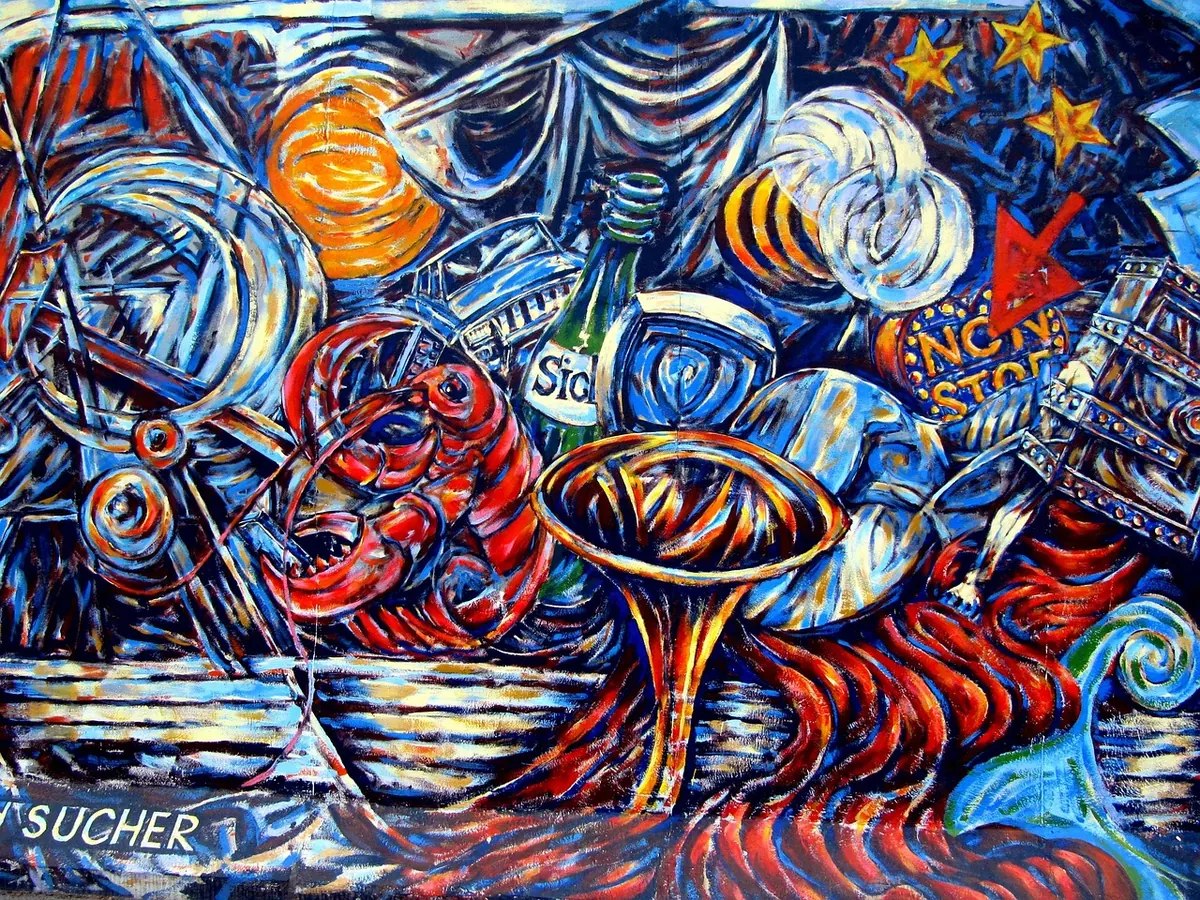
Winter hands you the most to look at and the least daylight to look at it in. That squeeze is useful. When you have twenty minutes and a cold window, you stop waiting for the perfect subject and start drawing what is actually in front of you.
This challenge is built around that constraint. Twenty prompts, one sketchbook, roughly ten weeks. Work through them in order or pick them at random when the evening feels flat. The goal is not a neat book of finished drawings. It is a stock of raw material you can shape into pieces worth putting in front of someone.
Why a Seasonal Challenge Earns Its Keep
Most portfolio work stalls for a boring reason: you only draw when you have an idea impressive enough to justify the paper. That bar is too high for a Tuesday night. Prompts lower it.
Winter is also a generous subject if you let it be. Bare branches show you structure. Low sun throws shadows across a room for an hour and then takes them away. Wet pavements double every light source. Coats, scarves and steamed-up windows give you shapes you will not see in June. By February you will have evidence of what you actually enjoy drawing, which is more valuable than any single page.
Setting Up: Four Rules That Keep You Drawing
- Twenty minutes minimum. A quick page beats a planned masterpiece you never start. Set a timer and stop when it rings, even mid-line.
- One book, cheap paper. Expensive sketchbooks make people careful. Buy something you are happy to wreck.
- Label every page. Date, medium, and one line about the conditions. You will forget why a drawing mattered within a fortnight.
- No reference hunting. Draw what is in the room, out the window or in your head. Searching for the ideal image is procrastination wearing a helpful hat.
Sharing is optional. Some people post daily and enjoy the accountability; others find an audience turns the sketchbook into a performance. Neither approach is wrong, but decide now rather than halfway through a bad page.
The Twenty Prompts
Outdoors, light and weather
- First frost on a window. Work close in graphite on grey paper, then pick out the brightest edges with a white pencil.
- Low sun across a table. Draw the shadows, not the furniture. Note how far they travel in ten minutes.
- A bare tree. Block in trunk and main branches with a brush pen before you touch a single twig.
- Wet pavement at dusk. Keep the sky as a flat wash and let reflections do the detail.
- Snow from an upstairs window. Look for flat shapes and negative space rather than individual flakes.
Indoors and objects
- Boots by the door. Mud, salt marks and creases. A texture study with no composition worries.
- Inside a coat pocket. Empty it onto the table and arrange what you find. Receipts and gloves make a fine still life.
- Steam off a mug. Draw the same cup three times as it cools. Fast, loose, no erasing.
- A pile of blankets. Folds and weight. Try shading with two pencils only, one dark and one mid-tone.
- Winter food. Citrus peel, a bowl of soup, whole spices. Paint the things you would otherwise throw away.
People and stories
- Someone waiting at a bus stop. Two-minute gestures. Capture the hunch of shoulders, not the face.
- Hands around something warm. Draw your own left hand holding a cup. Awkward angles are the point.
- A one-colour portrait. Choose a single pigment plus black and white. Restraint teaches you more than a full palette.
- A winter room from memory. No reference at all. Draw the kitchen from a house you have not visited in years.
- A carriage of strangers. Fill a page with six thumbnail compositions of people on a bus or train, real or imagined.
Experiments and finished pieces
- A grey swatch page. Mix and label twenty greys using whatever you have. Keep the sheet as a working reference.
- One view, five weathers. Same corner of the same window, drawn five ways: clear, sleet, fog, snow, thaw.
- Collage from wrapping paper. Tear rather than cut. Build an image from packaging, envelopes and old wrapping before you draw over it.
- Hand-lettered word. Choose one winter word and fill the letters with a drawn texture — frost, knitwear, wet brick.
- A six-page zine. Pick your three strongest pages from the previous nineteen and develop them into a small folded booklet, or one finished piece.
From Sketchbook to Portfolio
A sketchbook page rarely becomes a portfolio piece on its own, and it does not need to. Treat the book as a quarry.
At the end of each week, spread the pages out and mark three that still hold your attention. Ask what made them work: a colour pairing, a crop, an angle you would not normally choose. That is your brief for next week.
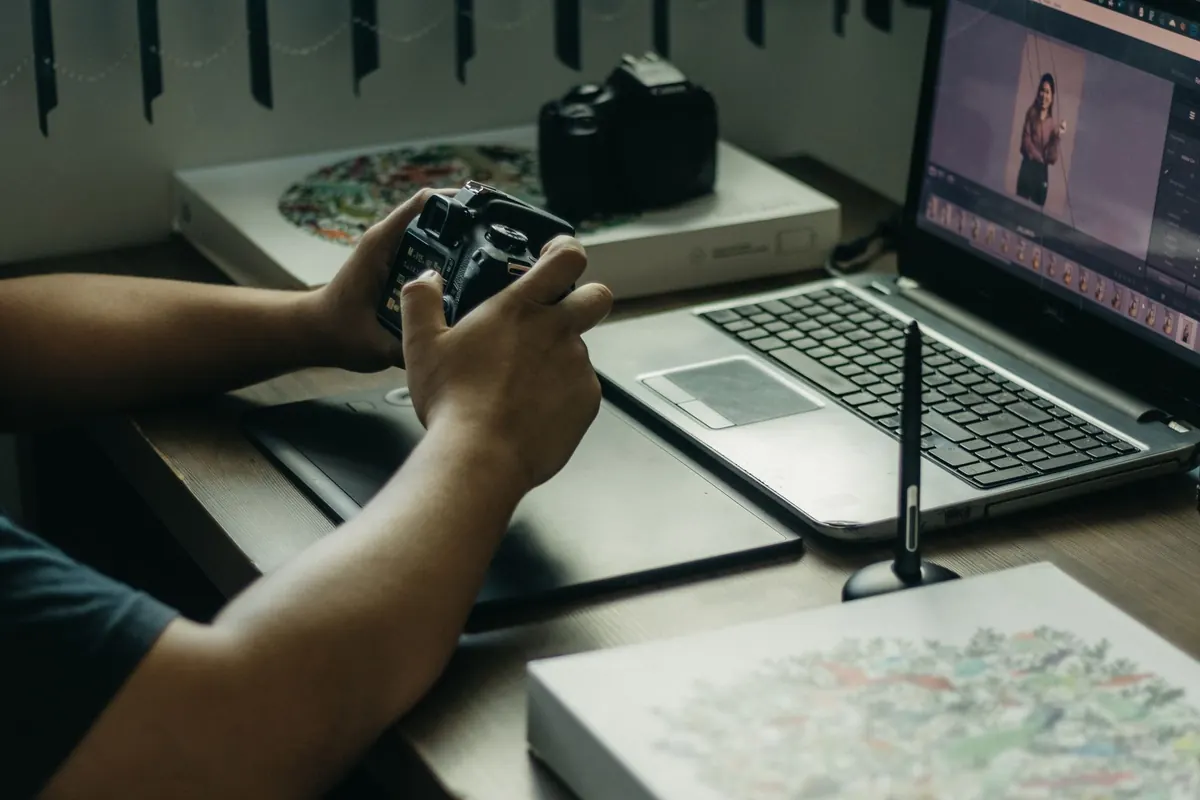
When you develop a page, scan or photograph it in flat, even light — a window on an overcast day works well, with the book held open and no shadow from your own arm. Then move into whatever you make properly: a screen print, a pattern repeat, an editorial illustration, a type specimen, a set of greeting cards. Push one idea through to a finished state rather than polishing five half-finished ones.
Write a short caption for each finished piece: what it was drawn from, the medium, and one sentence about the decision behind it. Curators, clients and admissions tutors read captions more closely than most artists expect. If you are grouping work into a project page, sequence matters — put the strongest image first, and let the sketchbook pages sit alongside the final piece so the thinking is visible.
Keeping Going When the Light Is Poor
Draw in the morning if you can. Sketching before the day fills up removes the evening argument with yourself. Failing that, work under a bright lamp and accept that you are drawing shape and value rather than fine detail.
Keep your kit in plain sight: a book, two pencils and a pen on the table, not tidied into a drawer. If you miss a week, do not attempt to catch up by doubling the prompts. Pick up where you stopped — the challenge is a rhythm, not a debt.
Some prompts will not suit your practice, and that is fine. Illustrators might linger on the memory and portrait pages; designers may get more from the swatch, collage and lettering prompts. Skip anything that produces nothing, but note down why.
Start With Tonight's Window
Set a timer for twenty minutes, open the first blank page and draw whatever is in front of you. Date it. That is the whole entry requirement.
Do that across the winter and you will finish with somewhere between twenty and sixty pages, a handful of images with real energy, and one or two ideas strong enough to carry into finished work. That is a good return for a season when nothing else is asking for your attention.
Photo: NoName_13 / Pixabay